


Multi-Entity Field Service Software for Contractor Roll-Ups
FIELDBOSS Multi-Entity Management is a PE field service platform and multi-company management capability built on Microsoft Dynamics 365, letting one organization run multiple business units, brands, or legal entities on a single connected platform, with consolidated and entity-specific financial and operational reporting.
































How Does FIELDBOSS Support Multiple Business Units or Entities?
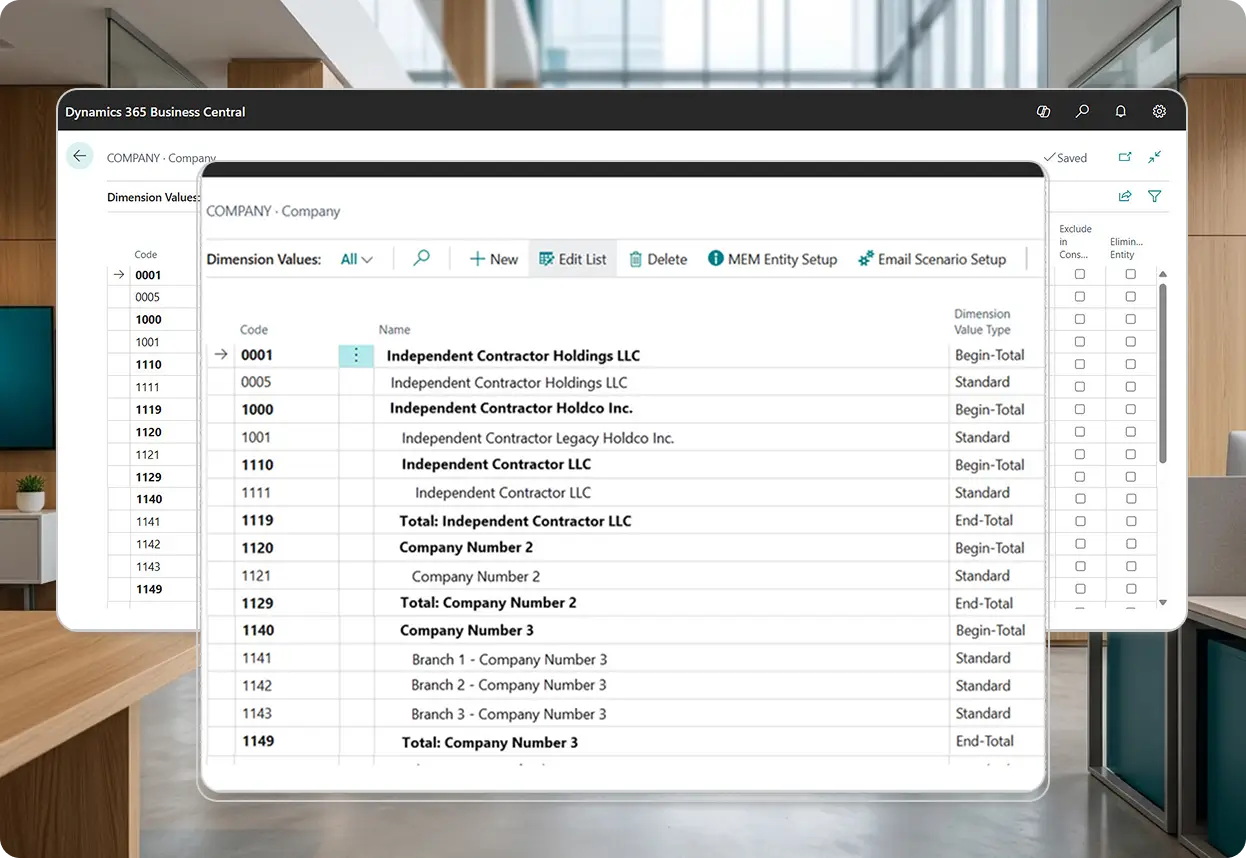
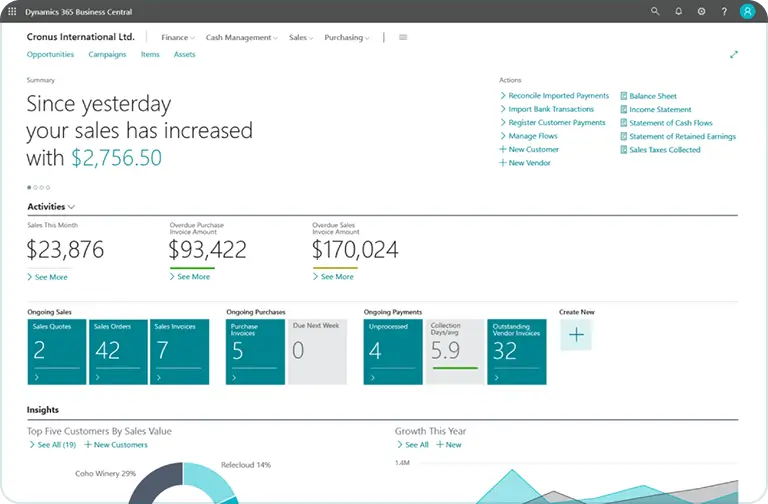
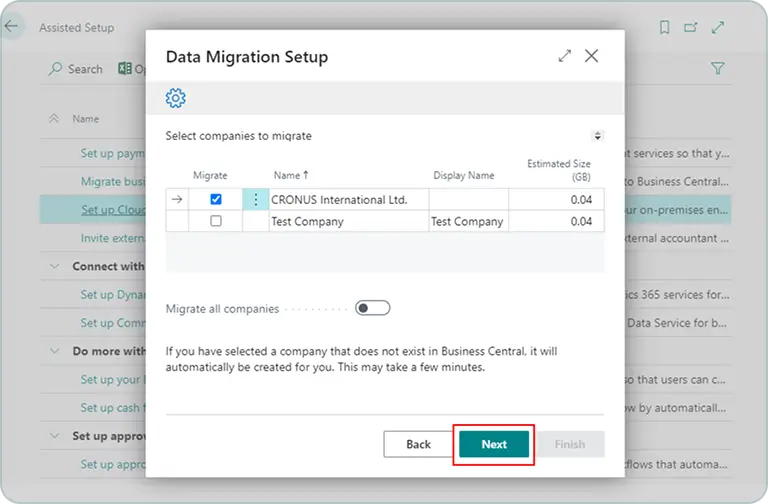
FIELDBOSS uses Binary Stream’s Multi-Entity Management (MEM) on the Business Central side, paired with Dynamics 365’s security model on the operations side, so one company can run multiple business units, brands, or legal entities inside a single connected platform. Each entity keeps its own receivables, payables, and banking, while the parent organization gets consolidated reporting across the whole group.
Separate Financials, One Database
Receivables, payables, and banking are kept separate by legal entity, even though every entity lives inside one shared database.
That separation matters for compliance and for clean financial statements per entity. Each business unit’s financial activity stays distinct, rather than blending together the moment two entities share infrastructure.
- Receivables, payables, and banking segregated by legal entity
- All entities living inside one shared database
- Clean financial statements produced per entity
- Compliance-ready separation without standing up separate systems
Intercompany Transactions Stay in Balance
Multi-Entity Management automates intercompany accounting whenever entities transact with each other, whether through shared services, internal billing, or resource sharing across business units.
That removes a common source of manual reconciliation work for finance teams managing more than one legal entity, and the workload doesn’t grow linearly as more entities get added.
- Intercompany transactions between entities automated
- All entities kept in balance without manual reconciliation
- Finance team workload that doesn’t scale linearly with entity count
- Coverage for shared services and internal billing across business units
Report at the Group Level or Drill Into One Entity
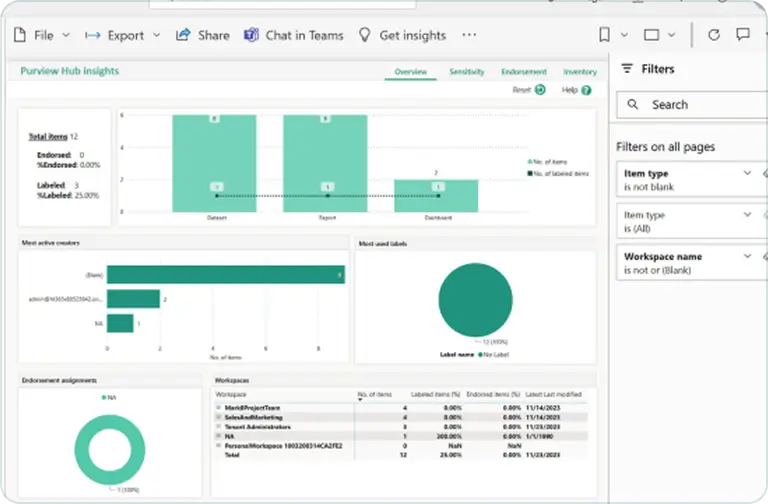
Financial reporting can run at the consolidated group level or drill into a single business unit, depending on what the audience needs.
A parent organization or PE ownership group can review the whole portfolio, while an entity-level manager reviews just their own numbers. Both views come from the same underlying data, so there’s no separate reporting process to maintain for each level.
- Financial reporting at the consolidated group level
- Entity-specific reporting for a single business unit
- Both views pulled from the same underlying data
- One reporting process to maintain, not one per level
Users See Only Their Entity
User security segments data, features, and processes by Business Unit on the operations side, so teams only see and act on the company or division they’re assigned to.
That keeps day-to-day users appropriately limited to their own entity even as the organization adds more, without requiring a fully separate system per business unit.
- Data and features segmented by Business Unit
- Teams limited to the entity or division they’re assigned to
- Security that scales as the organization adds more entities
- No fully separate system required per business unit
Share What Makes Sense, Separate What Doesn't
Entities share a common chart of accounts, items, and vendors, which keeps setup consistent and avoids duplicating master data across every business unit.
Customers and banking, however, are kept separate per entity. FIELDBOSS’s connection to Multi-Entity Management is built specifically around that split, since customer relationships and banking need to stay entity-specific even when other data is shared.
- Chart of accounts, items, and vendors shared across entities
- No duplicate master data across every business unit
- Customers and banking kept separate per entity
- FIELDBOSS’s connection to Multi-Entity Management built around this shared/separate split
Multi-Entity Management Built for Your Trade
Every acquisition adds another entity’s finances to track. FIELDBOSS keeps them separate without slowing down consolidated reporting across the group.
Fold newly acquired contractors into the portfolio without collapsing their financials into one messy shared account. FIELDBOSS keeps each acquired entity’s financials segregated while giving ownership consolidated reporting across the whole portfolio, so due diligence numbers stay clean from day one.
Run multiple elevator service territories or acquired branches as separate entities without losing sight of the group’s overall performance. FIELDBOSS keeps each branch’s receivables, payables, and banking distinct, so a regional roll-up can report at the group level or drill into a single territory.
Keep each acquired HVAC branch’s finances separate as the company grows through acquisition, instead of merging everything into one shared set of financial records. FIELDBOSS gives ownership consolidated reporting across every branch, so each one still keeps its own clean financial statements.

We could see that if we wanted to keep growing, we couldn’t keep doing it the same way. With all the spreadsheets, texts, and manual workarounds, it just wasn’t sustainable if we wanted to retain our high service standards.
Explore Related Features


Scheduling
Coordinate technicians and dispatch across multiple business units from one platform.

Works With Your Existing Tools
Frequently Asked Question
Yes. Business Unit security controls which entities and records a user can see and act on, so teams only access the company or division they’re assigned to.
Yes. Multi-Entity Management supports both consolidated reporting across the full organization and entity-specific reporting for an individual business unit.
No. Entities share a common chart of accounts, items, and vendors, but customers and banking are kept separate for each entity.
No. Multi-Entity Management lets a group manage multiple business units, brands, or legal entities inside one shared database, instead of standing up a fully separate company setup for each one.
Ready to Run Every Entity on One Platform?
See how FIELDBOSS keeps each business unit’s financials separate while giving ownership one consolidated view across the group.

What Is Multi-Entity Management Software?
Multi-entity management software, sometimes called multi-location FSM, lets an organization run more than one business unit, brand, or legal entity on a single connected platform, instead of standing up a fully separate system for each one. It segregates financials, receivables, payables, and banking by entity while still allowing consolidated reporting across the whole group, which matters for private-equity-backed roll-ups and multi-location contractors managing several acquired businesses at once. FIELDBOSS pairs Binary Stream’s Multi-Entity Management (MEM) add-on for Business Central with Dynamics 365’s security model on the operations side, automating intercompany transactions and providing both consolidated and entity-level financial reporting.
What is a contractor roll-up?
A contractor roll-up is when a group, often backed by private equity, acquires multiple contracting businesses and combines their operations under one parent organization. FIELDBOSS’s Multi-Entity Management is contractor roll-up software that lets a roll-up run each acquired business as its own entity while reporting and managing the group as a whole on one platform.